By Jason Zehner
October 5, 2026
Expanding your living space is an exciting milestone. Adding square footage gives you room to breathe and adapt to new lifestyle needs. However, the true challenge lies in making sure the new space feels like a natural continuation of your existing floor plan. You want visitors to feel a seamless transition from the older rooms to the newer areas. A well-planned addition doesn't ever feel like an awkward afterthought tacked onto your property.
Achieving cohesive flow requires careful attention to architectural details and interior design choices. You must balance modern upgrades with the historical charm of your current layout. From matching flooring materials to replicating trim styles, every decision plays a role in unifying the two zones. By focusing on fundamental design principles, you can successfully merge a recent home extension with your original interiors to create a unified environment.
Matching Architectural Details and Trim
An effective way to unify your home extension with the rest of the house is through consistent architectural elements. Baseboards, crown molding, and window casings act as the visual glue holding your design together. When these details change abruptly, the boundary between old and new becomes obvious. Taking time to replicate the trim profiles found in your existing layout ensures a smooth transition.
Finding matching millwork requires effort if your property is older. You may need to hire a carpenter to mill new trim that mirrors the original profiles. While this step takes extra planning, the visual continuity it provides makes the investment worthwhile. Consistent woodwork tricks the eye into seeing the entire floor plan as a cohesive unit.
Doors and hardware play a critical role. Upgrading to modern door styles in the newly built area while keeping vintage doors in the original layout creates a jarring contrast. Try to source doors that match the original style or update all the interior doors to a unified look. Selecting consistent doorknobs and hinges further reinforces the feeling of a single design throughout your living space.
Coordinating Flooring Materials and Transitions
Flooring is one of the largest visual planes in any building, making it a crucial component in tying your rooms together. Running the same flooring material continuously from older spaces into newer areas eliminates harsh visual breaks. If your current floors are hardwood, extending that identical wood species and stain color provides a seamless connection. According to This Old House, about 50% of home remodeling projects are done to improve a home's appearance. Matching your floors achieves that aesthetic improvement.
Extending the identical material is sometimes impossible due to discontinued products or budget constraints. In these cases, you must focus on creating deliberate transitions. Rather than trying to match an old floor with a similar but slightly off material, it's often preferred to choose a different but complementary option. A distinct threshold using a contrasting material signals a purposeful shift in the room's function.
When introducing a new flooring material, ensure the color palette ties back to the original spaces. If your existing house features warm oak floors, choose a tile for your home extension with similar warm undertones. You can also weave the new flooring material into the old layout by adding an inlay. This blends the two zones physically and visually, softening the boundary.
Harmonizing the Color Palette and Lighting
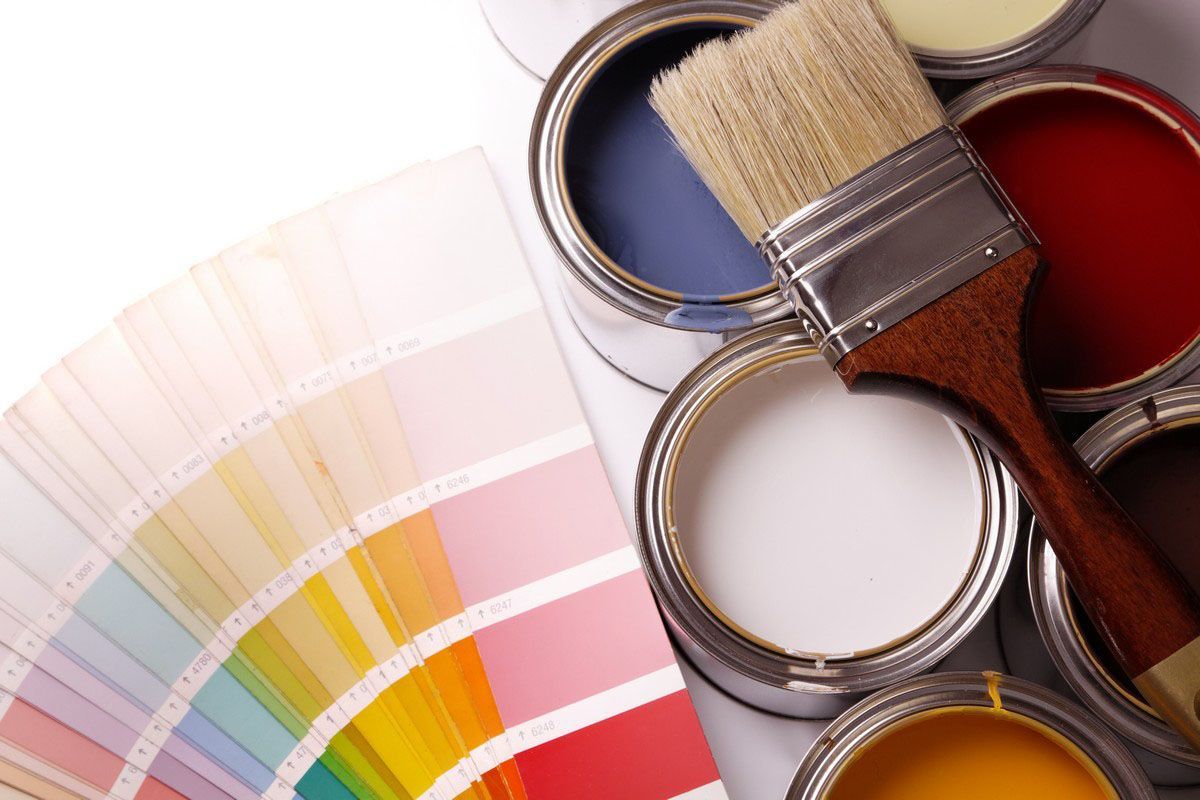
Paint colors are powerful tools for linking disparate areas of a floor plan. Carrying a unified color scheme throughout the property ensures a logical flow from the front door to the back wall. You don't need to paint every room the same color, but shades should belong to a cohesive family. Using a continuous neutral shade for hallways creates a calm backdrop that connects the old and new zones.
You can introduce accent colors in the new addition, provided those same accents appear somewhere in the original layout. If your new living room features a soft blue accent wall, incorporate soft blue pillows in older rooms. This repetition creates a subconscious link, signaling that these distinct areas belong to the same design story.
Lighting fixtures also bridge the gap between different eras of construction. Older houses often suffer from inadequate natural light, whereas a recent home extension typically features modern recessed lighting and large windows. To balance this, consider upgrading the lighting fixtures in the original space to match the style of the new addition. Alternatively, select transitional fixtures for the new space that pay homage to the historical style of your property.
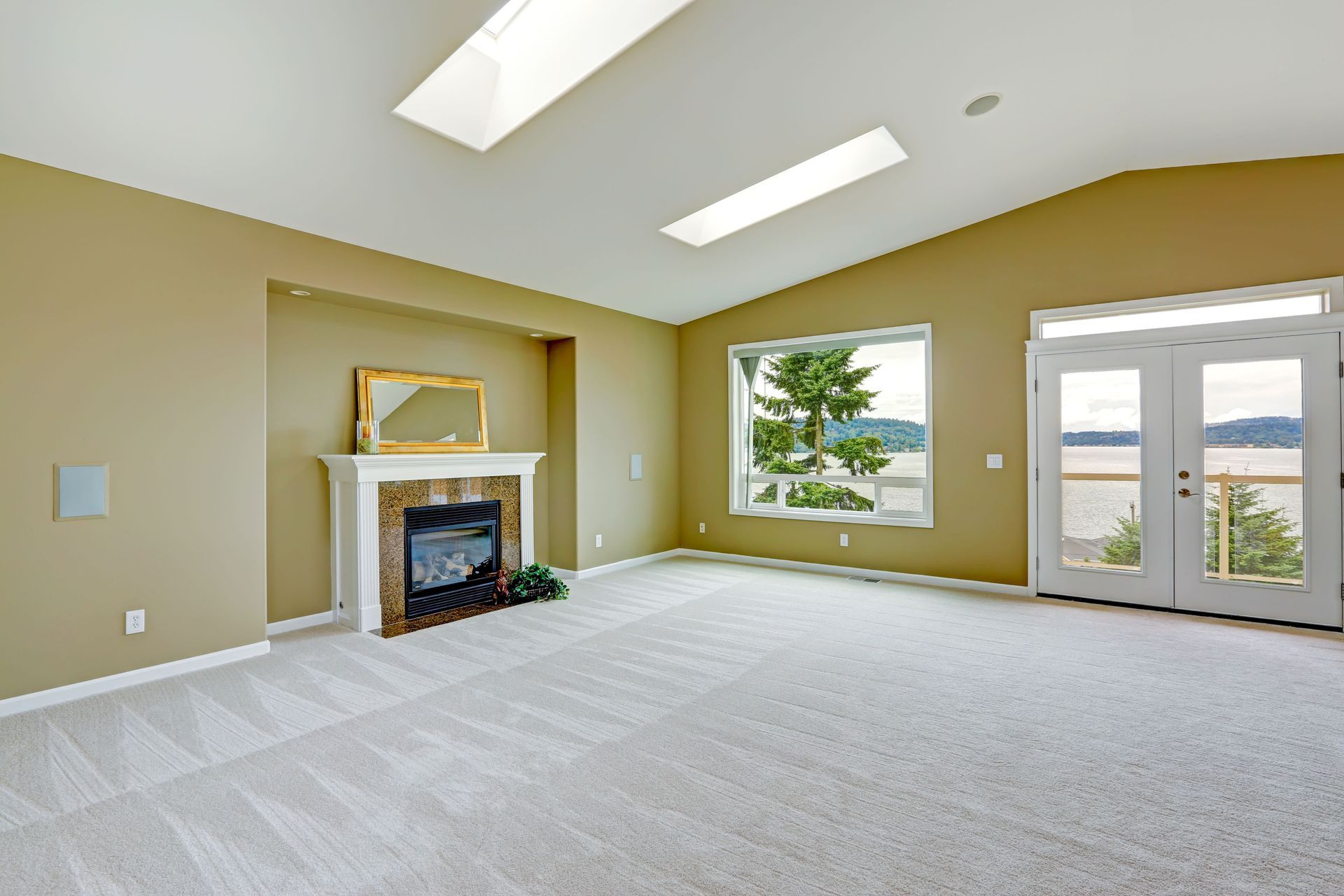
Managing natural light is equally important. If the addition features large skylights, the original rooms might feel dark by comparison. You can fix this imbalance by painting the older rooms in lighter shades or installing mirrors to bounce natural light around. Consistent illumination prevents the original layout from feeling gloomy next to the brighter spaces.
Blending Furniture Styles and Decor
Once structural elements are in place, your furniture choices serve as the final unifying layer. A common mistake is buying modern furniture for the addition while leaving vintage pieces in the older rooms. This creates a stark division that highlights the difference between the two spaces. Instead, you should aim for a curated mix of old and new pieces spread evenly throughout the entire property.
Try moving some of your favorite older furniture pieces into the fresh space to ground it with familiar elements. Placing an antique console table in a newly built entryway instantly brings character to the fresh drywall. Conversely, introducing contemporary items into your original living areas helps update their feel. This cross-pollination of furniture styles blurs the lines between the construction phases of your home extension.
Textiles and artwork provide another great opportunity to weave the zones together. Using similar window treatments, such as matching linen drapes, unifies the exterior walls. You can also carry a specific fabric pattern from a sofa in the older section to an armchair in the newer section. These subtle threads of consistency make a strong impact on the overall cohesion of your interior design.
Consider the scale and proportion of your decor as well. Newer spaces often feature higher ceilings, which can easily swallow up standard furniture. You might need to invest in a few larger statement pieces for the addition, but make sure their visual weight balances the furniture in your existing layout. Thoughtful placement of rugs, lamps, and art ties everything together, making your house feel purposefully styled.
Integrating a new space into an older layout requires patience, planning, and a keen eye for detail. By maintaining consistent architectural trim, flooring, and color palettes, you create a seamless transition that honors the history of your property. Mixing your furniture and decor styles across all rooms further dissolves any lingering boundaries. The goal is always to create a unified living environment where every room flows logically into the next.
Executing these strategies ensures your investment adds genuine value and comfort to your daily life. Whether you're expanding a kitchen or adding a spacious primary suite, thoughtful design choices make a significant difference. When properly executed, your expanded floor plan will feel like it was always meant to be there. Ultimately, this careful blending of old and new elevates the property, giving you a beautiful space to enjoy for years.
If you're ready to start planning your home extension, contact A Father Of Four | Dormers & Extensions General Contractor today to schedule a consultation.