By Jason Zehner
September 4, 2026
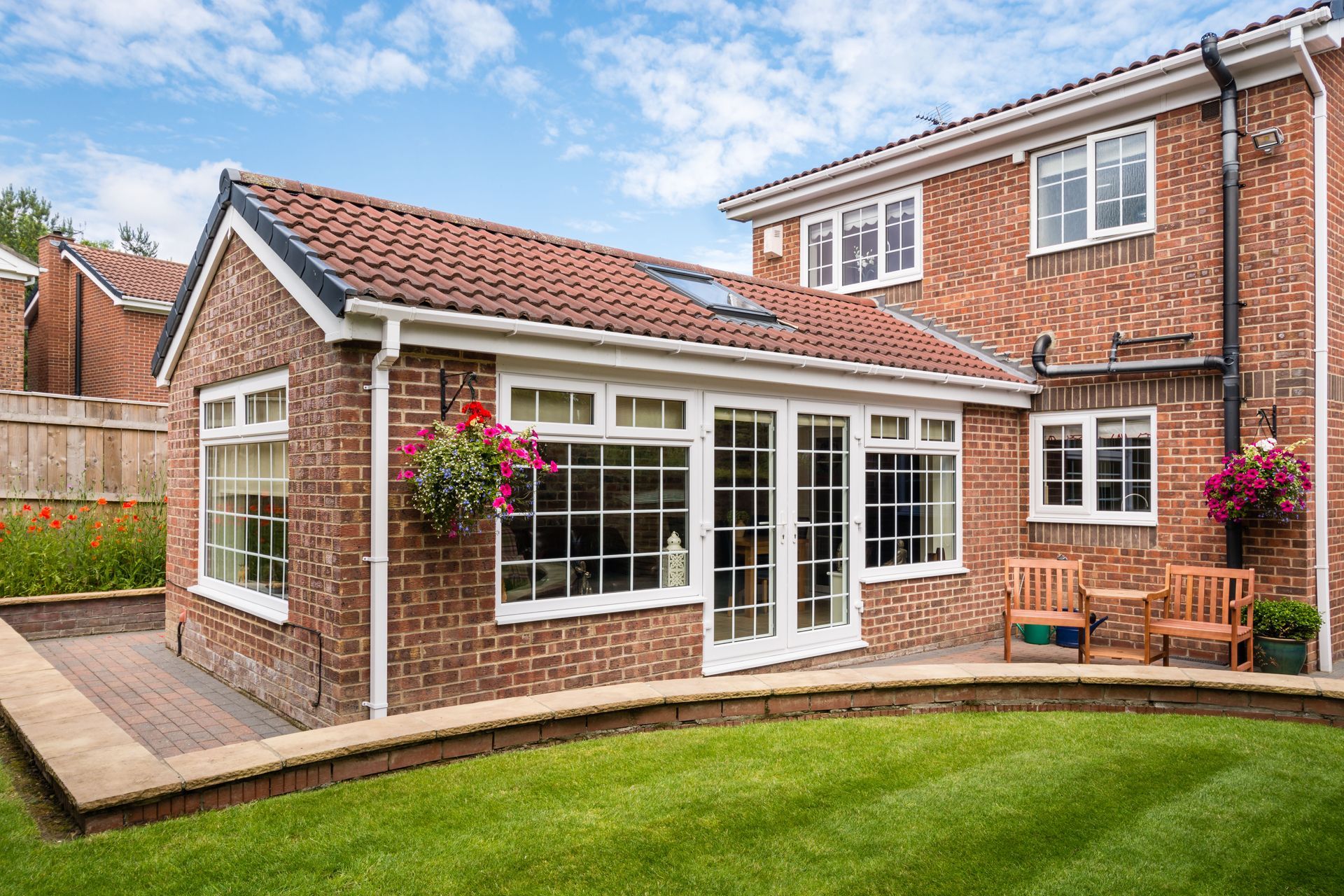
Planning and building your very first property expansion is an exciting milestone that unlocks valuable extra space and elevates your daily quality of life. However, managing the financial reality of major construction can quickly become overwhelming without a structured financial strategy. Successfully navigating home additions requires a clear understanding of structural requirements, material selection, and labor expenses before breaking ground. Taking the time to build a comprehensive financial blueprint gives you total control over the direction of your project. By establishing a well-defined financial roadmap early in the process, you can prevent unexpected cost overruns and maintain complete control over your home renovation expenses. Taking the time to research costs, establish priorities, and partner with experienced professionals ensures that your upcoming build stays within budget while adding lasting value to your residential property.
Understanding Your True Financial Base
Before looking at floor plans or gathering design inspiration, you must establish a realistic budget based on your current personal finances and available project funding. Creating a firm financial foundation involves calculating how much capital you can comfortably invest without compromising your monthly savings or everyday living expenses. You should evaluate different funding options, such as personal savings, home equity loans, or specialized construction lines of credit. Understanding the full financial scope of home additions means looking beyond the base construction quote to include associated expenses like temporary living arrangements, increased property taxes, higher utility bills, and potential municipal permit fees. Establishing this baseline early provides essential boundaries that guide every design and material decision moving forward.
Setting Aside Your Emergency Funds
Even the most meticulously planned construction projects encounter unexpected structural, electrical, or plumbing surprises once work begins behind existing walls. According to This Old House, setting aside a minimum of 10% of your total renovation budget is essential to cover unforeseen issues or plan adjustments. Having a dedicated financial cushion prevents mid-project delays and allows your contractor to address hidden issues safely without halting construction. Common unforeseen issues include outdated wiring, hidden subfloor water damage, unreinforced foundation walls, or unexpected framing adjustments. Keeping this contingency reserve separate from your primary working budget gives you immense peace of mind and ensures that minor complications do not turn into major financial setbacks.
Prioritizing Your Core Project Features
When developing the floor plan and structural requirements for your space, separating absolute necessities from cosmetic upgrades helps keep costs manageable. Identifying your non-negotiable functional requirements, such as adding a ground-floor bedroom or expanding a cramped kitchen, allows you to allocate funds where they matter most. High-impact structural elements like solid foundation work, energy-efficient framing, high-grade insulation, and reliable roofing should always take financial priority over decorative interior embellishments. Focusing on foundational integrity ensures your new square footage remains safe and durable for decades to come. When homeowners approach home additions with a clear hierarchy of functional needs versus aesthetic wants, it becomes much easier to adjust design choices if costs begin to climb during the initial planning phase.
Selecting Smart and Economical Finishes
Interior and exterior material choices account for a massive portion of any total construction budget, making finish selections an ideal place to save money. Choosing mid-range, highly durable materials often delivers the exact same visual appeal and longevity as luxury imports at a fraction of the price. For example, opting for high-quality engineered hardwood or luxury vinyl plank flooring instead of rare solid hardwoods offers exceptional durability and aesthetic appeal for busy households. Similarly, selecting quartz or granite options from regional suppliers yields stunning kitchen and bathroom surfaces without inflated shipping expenses. Making smart material choices across all surface finishes ensures that home additions maintain high standards of beauty and craftsmanship while remaining firmly aligned with your primary financial parameters.
Navigating Professional Contractor Partnerships
Partnering with the right construction team plays a fundamental role in keeping your structural project on schedule and within budget. You should gather detailed written estimates from multiple licensed, insured general contractors to compare labor rates, material allowances, and projected timelines. Transparent contractors will provide itemized bids that clearly detail every phase of construction, from excavation and framing to utility rough-ins and final trim work. Establishing open lines of communication and choosing a reliable builder who respects your financial limits minimizes costly miscommunications. Working closely with seasoned professionals helps ensure that home additions progress smoothly through municipal inspections and reach completion without frustrating financial surprises or unnecessary line-item inflation.
Timing Your Project for Maximum Savings
The specific time of year you choose to begin construction can have a surprisingly large impact on your overall labor and material expenses. Construction activity traditionally surges during late spring and summer, which often drives up labor rates and creates longer wait times for specialized trade crews. Scheduling your build during local off-peak seasons, such as late autumn or early winter, can sometimes unlock lower contractor rates and quicker municipal permit processing times. Flexible scheduling also gives you more leverage when negotiating material deliveries and trade availability.
Furthermore, suppliers frequently offer seasonal sales on major appliances, windows, doors, and cabinet lines during specific quarters of the year. Strategic scheduling allows property owners undertaking home additions to maximize their purchasing power and stretch their renovation funds significantly further.
Managing Scope Creep During Construction
One of the most frequent causes of budget overruns during major structural projects is the subtle accumulation of minor design changes once construction is underway. Deciding to add custom built-in shelving, upgrade tile patterns, or change light fixtures mid-build rapidly inflates your overall financial commitment through contractor change orders. Every formal change order typically incurs extra administrative fees alongside additional labor and material costs. Committing fully to your original blueprints and material selections before demolition begins prevents unnecessary financial inflation. Remaining disciplined and resisting late-stage design modifications ensures that home additions stay strictly aligned with the initial financial framework you established during early planning stages.
Evaluating Long-Term Value and Utility
A successful structural expansion should not only satisfy your current space requirements but also deliver strong return on investment for years to come. Designing a versatile footprint that appeals to future homebuyers ensures that your capital investment translates into increased overall property equity. Rooms that offer adaptable functionality, such as a multi-purpose guest suite that doubles as a quiet home office, provide maximum utility for growing families.
Additionally, incorporating energy-efficient HVAC systems, high-performance insulation, and modern LED lighting fixtures helps minimize long-term utility expenses. Approaching home additions with a long-term investment mindset guarantees that your physical expansion continues to pay dividends in daily comfort, functional efficiency, and financial value long after the final walkthrough.
Building a custom extension onto your residence is a rewarding endeavor that significantly enhances your everyday living environment when approached with practical financial discipline. By accurately evaluating your total construction costs, maintaining an adequate emergency contingency reserve, prioritizing core structural needs, and selecting cost-effective finishes, you can navigate the entire process with total confidence. Collaborating closely with trustworthy contractors and remaining disciplined against late-stage scope changes keeps your project organized and affordable from initial excavation through final inspection. With thorough planning and clear financial boundaries, your upcoming residential project will deliver the extra space, modern comfort, and lasting structural value your household deserves. When you are ready to make your dream expansion a reality with experts who prioritize your budget and vision, contact A Father Of Four | Dormers & Extensions General Contractor today to schedule your personalized consultation!