The decision to expand your living environment is one of the most significant milestones you'll encounter as a homeowner. Whether you’re feeling the squeeze of a growing family or simply dreaming of a specialized space for your hobbies, adding onto your home is a sophisticated alternative to the stress of moving. Navigating the landscape of home additions requires a blend of creative vision and practical logistics, especially when you consider the unique architectural heritage of Long Island neighborhoods. From the initial spark of inspiration to the final walkthrough, understanding the nuances of the construction process ensures that your investment yields both personal comfort and long-term financial value.
Evaluating Your Current Spatial Needs
Before any blueprints are drawn or hammers are swung, you must take a deep dive into the "why" behind your project. Most homeowners begin their journey with home additions because their current floor plan no longer serves their daily lifestyle. Perhaps you need a dedicated home office to maintain professional productivity, or maybe a sun-drenched master suite has become a necessity for your peace of mind. Evaluating your needs involves looking at how you move through your house and identifying the specific bottlenecks that cause daily frustration. By pinpointing whether you need more communal space for entertaining or private areas for relaxation, you can ensure that the new footprint integrates perfectly with your existing lifestyle.
Understanding the Local Regulatory Requirements
One of the most complex aspects of adding onto a house in Nassau or Suffolk County is navigating the intricate web of local building codes and zoning laws. Every municipality has its own set of rules regarding setbacks, lot coverage ratios, and height restrictions that can significantly impact the feasibility of your design. Engaging with the permit process early is essential because it dictates exactly what you can build and where you can build it on your property. This is where professional expertise becomes invaluable, as local regulations often require detailed architectural drawings and environmental impact assessments before any work can begin. Ensuring that your project is fully compliant not only keeps the construction on schedule but also protects you from legal headaches when it comes time to sell your home.
Selecting the Right Professional Partner
The success of your renovation hinges almost entirely on the team you choose to bring your vision to life. Finding a contractor who understands the specific challenges of Long Island construction, such as local soil conditions and coastal weather patterns, is paramount. When you begin your search, it's helpful to keep the scale of the industry in perspective to find a truly qualified expert. According to Zippia, the U.S. is home to a network of more than 35,000 general contracting firms, but only a fraction of those possess the specialized experience required for seamless home additions. You want a partner who prioritizes transparent communication and holds the necessary licenses and insurance to protect your investment. Choosing a family-operated business often provides an extra layer of care, as their reputation is built on the personal relationships they cultivate within the community.
Determining the Best Structural Strategy
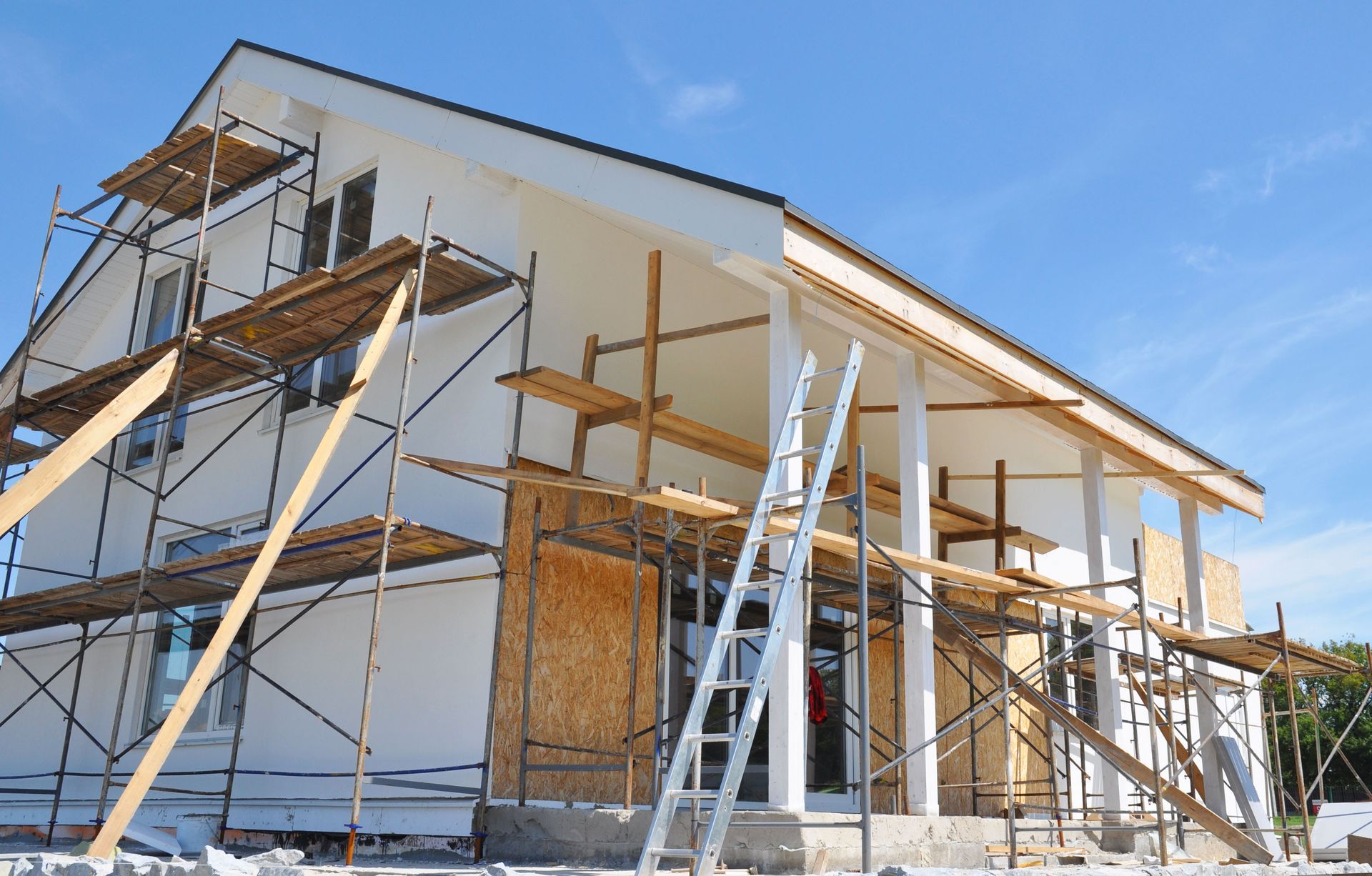
There are several ways to approach the physical expansion of your home, and the best strategy depends on your lot size and budget. Building out involves extending the footprint of your home into the yard, which is often the most straightforward method but results in the loss of outdoor green space. On the other hand, building up involves adding a second story or a dormer, which preserves your yard but requires a careful assessment of your home’s existing foundation and load-bearing walls. Many homeowners find that a combination of these techniques allows them to maximize their living space without overwhelming the property’s proportions. Each approach has its own set of structural requirements, and a skilled builder will help you weigh the pros and cons of each to find the most cost-effective and aesthetically pleasing solution for your specific site.
Budgeting for Quality and Contingencies
Financial planning for home additions is a multi-layered process that goes far beyond the initial estimate for labor and materials. A realistic budget must account for the high-quality finishes that match your current home, as well as the invisible costs like plumbing upgrades, electrical panel expansions, and HVAC integration. It’s also wise to set aside a contingency fund, typically ten to fifteen percent of the total project cost, to handle the unexpected discoveries that often arise when opening up older walls. By investing in quality materials and skilled labor from the start, you reduce the likelihood of future repairs and ensure that the new section of your home feels like a permanent part of the original structure rather than an afterthought. Clear financial planning allows you to make informed decisions throughout the build without the stress of constant fiscal surprises.
Designing for Seamless Architectural Integration
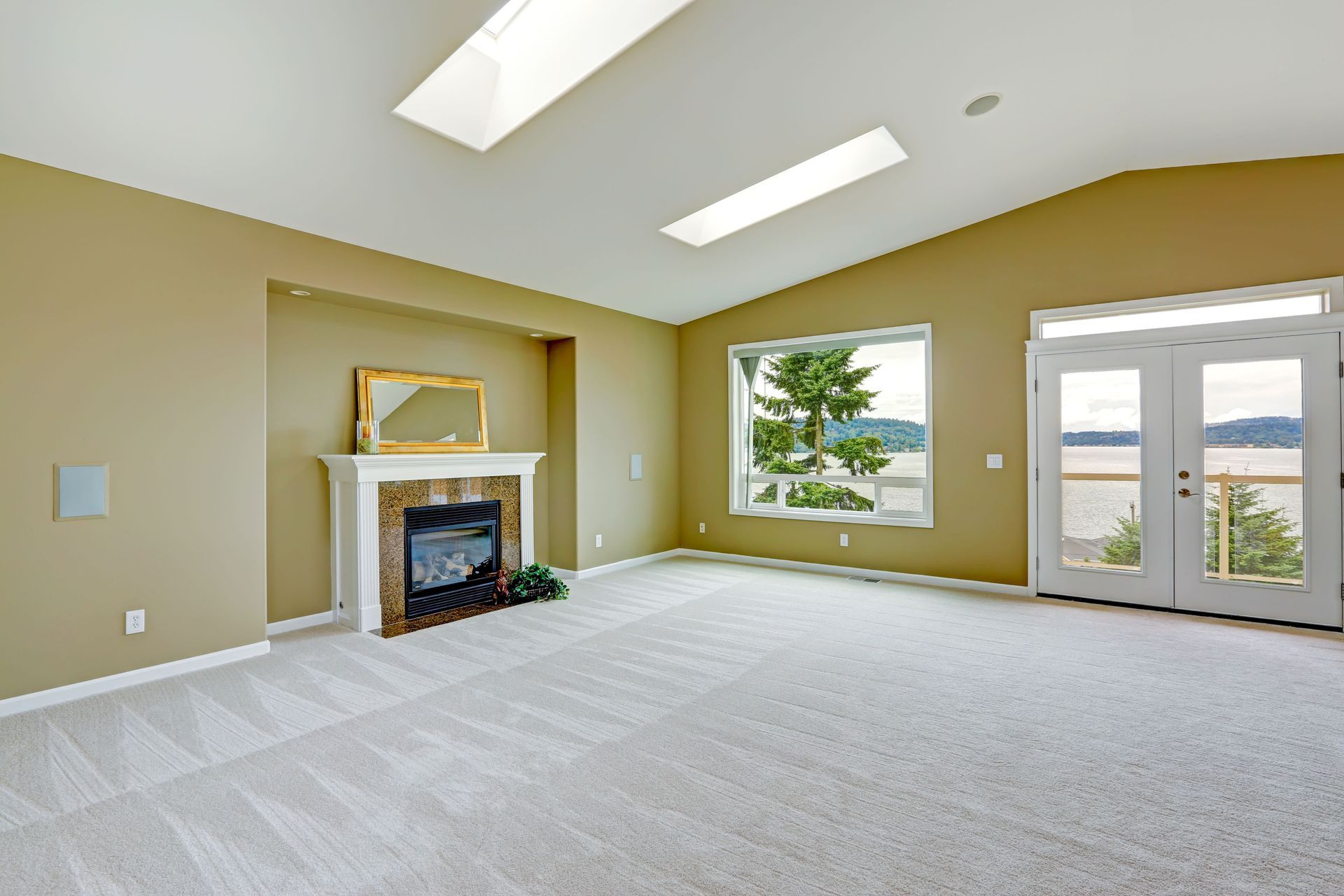
A common mistake in residential expansion is failing to match the architectural style of the new addition to the original house. The most successful home additions are those that look as though they've always been there. This requires meticulous attention to detail, from matching the pitch of the roofline to sourcing the exact siding profile and window trim used on the rest of the exterior. Inside the home, the transition between the old and new spaces should be fluid, with consistent flooring, ceiling heights, and molding styles. Achieving this level of continuity requires a builder with a keen eye for design and a commitment to craftsmanship. When the transition is handled correctly, it not only creates a more beautiful living environment but also significantly boosts the resale value by maintaining the home’s curb appeal and interior harmony.
Preparing for the Construction Timeline
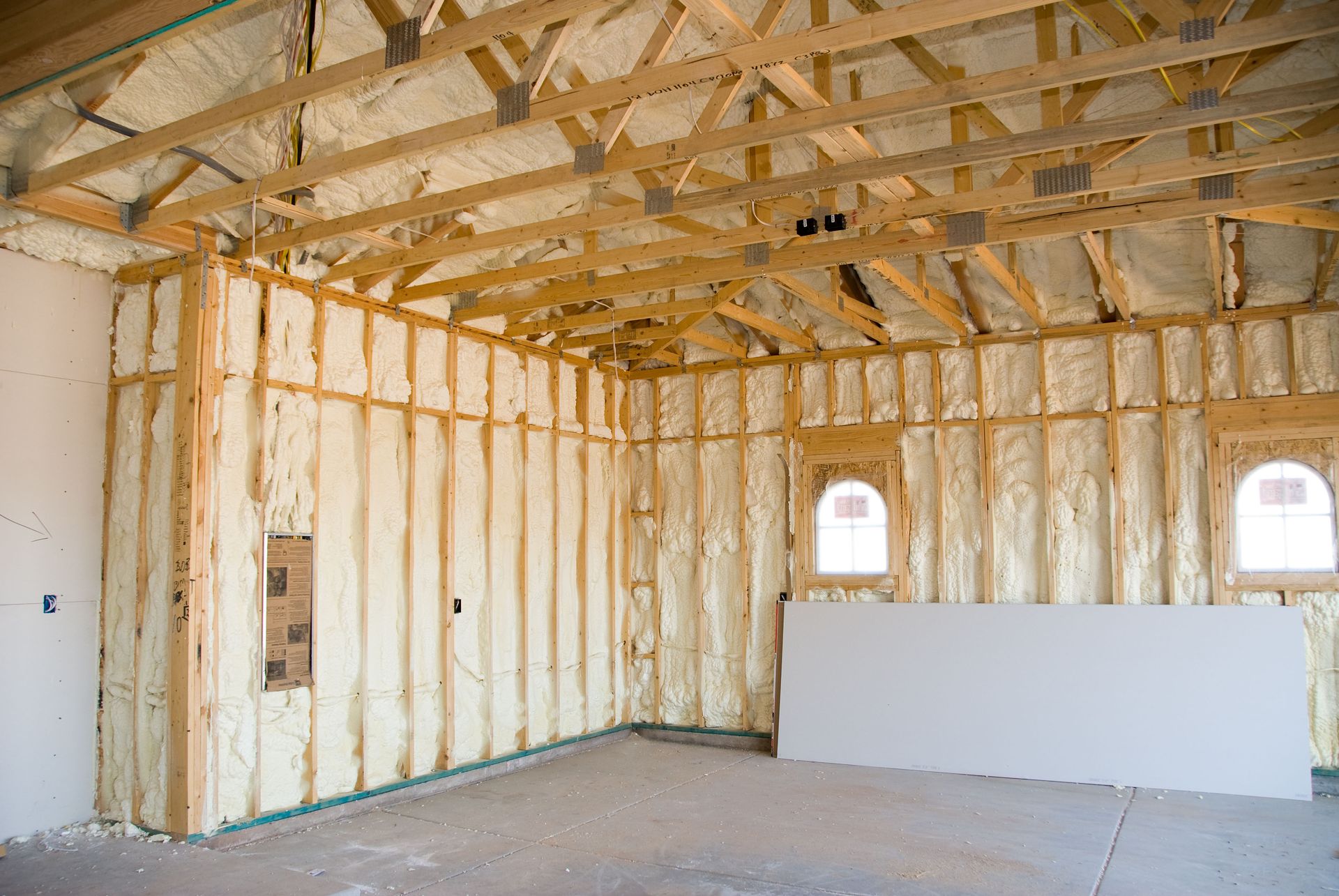
Living through a major renovation requires a certain level of mental and physical preparation. Depending on the scale of the project, construction can last anywhere from several weeks to several months. Understanding the phases of the build helps you manage your expectations and plan your daily routine. A professional contractor will provide a clear timeline and keep you updated on progress, but it’s always helpful to prepare for minor delays caused by weather or supply chain fluctuations. Some families choose to set up temporary kitchens or living areas to minimize disruption, while others may opt to stay elsewhere during the most intensive phases of the work. Clear communication with your building team ensures that the site remains safe and organized, making the experience as smooth as possible for everyone involved.
Embarking on building home additions is an exciting chapter in the story of your home. By taking the time to evaluate your needs, understand the local rules, and choose a partner who shares your commitment to excellence, you set the stage for a triumphant transformation. While the process involves many moving parts and technical details, the end result is a revitalized space that reflects your personal style and supports your unique lifestyle.
Remember that the best outcomes are born from a partnership of trust and shared vision between the homeowner and the builder. As you move forward with your plans, keep your focus on the incredible potential that lies within your existing walls and the bright future that a well-executed expansion will provide. For a seamless and rewarding renovation experience, contact A Father Of Four | Dormers & Extensions General Contractor today, and let's start building your dream home together.